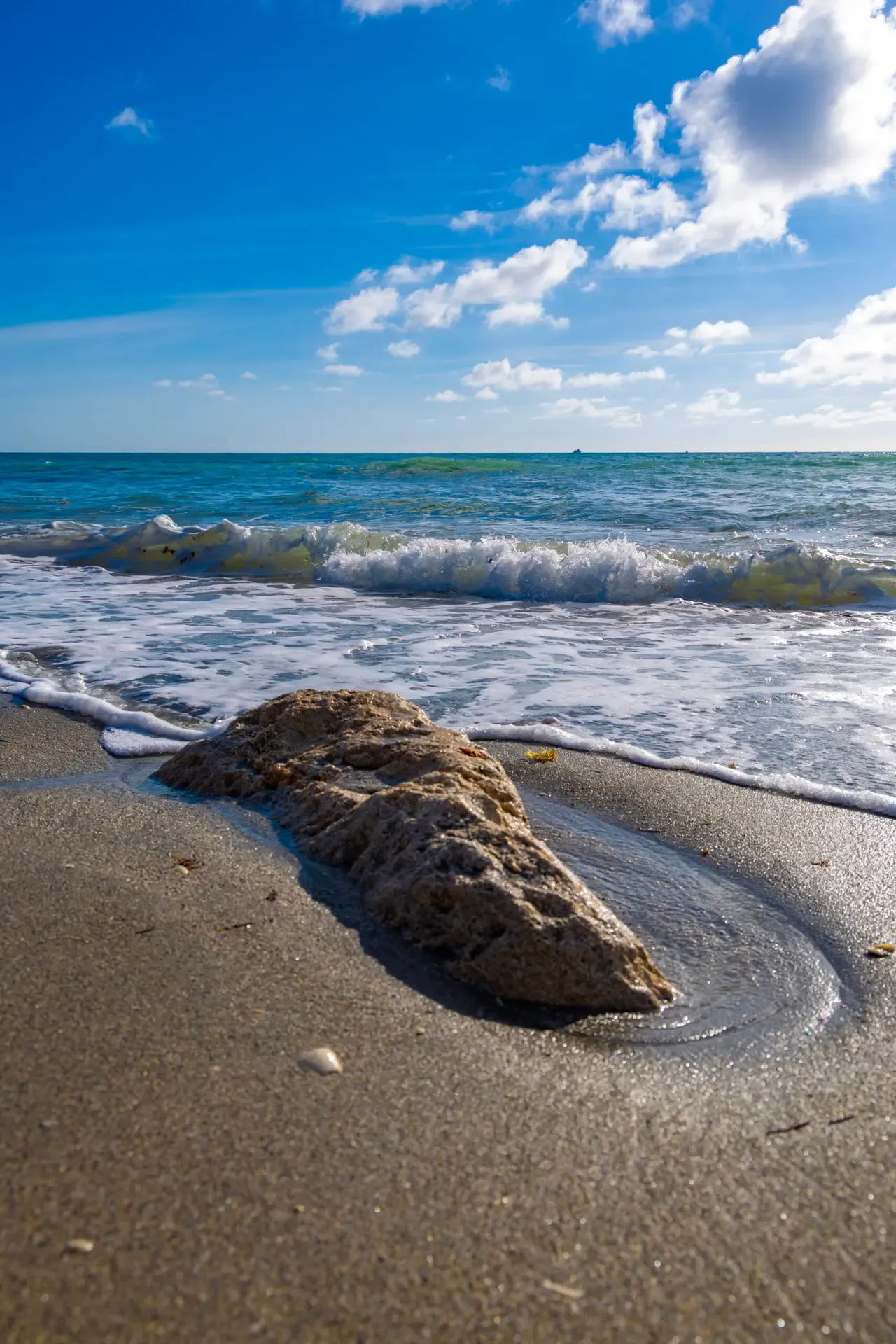

Airbnb & Vacation Rental Photography: How Better Photos Raise Your Nightly Rate
Airbnb photography tips for FL coastal rentals: the must-have shots, staging moves, and platform habits that lift bookings and support a higher nightly rate.
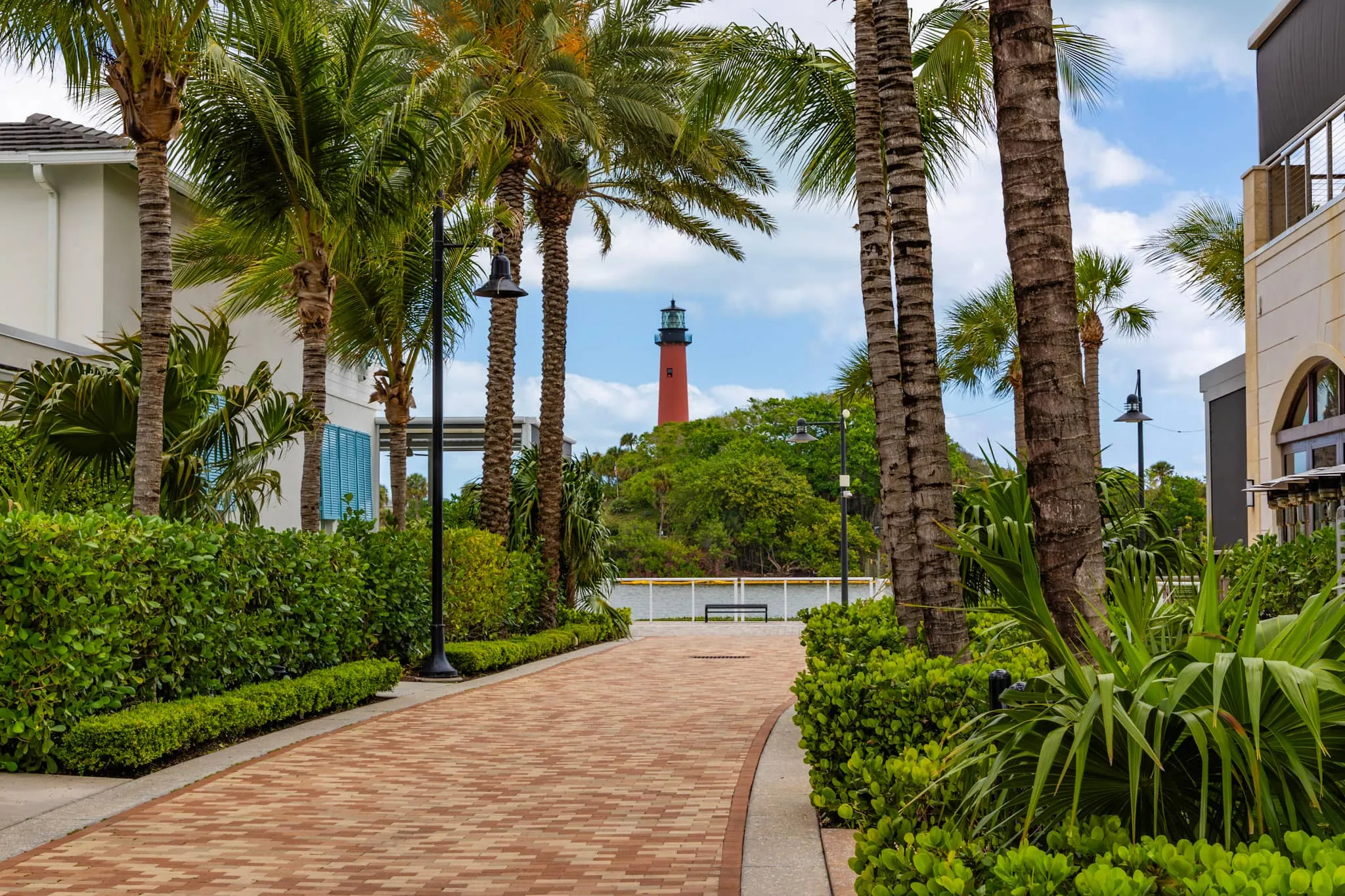
On a rental platform, your photos are the listing. Before a guest reads your description or scans a single review, they have swiped through your gallery and decided whether to keep looking or tap away. The first photo earns the click; the next twenty earn the booking. In a market like Jupiter and the wider Palm Beach County coast, where a guest is often choosing between dozens of similar two-bedroom condos near the same beach, the listing with sharper, brighter, more honest photos tends to win the night at a higher rate.
This guide covers what actually changes your booking rate: the shots every coastal rental needs, how to stage a property so it photographs well without misleading anyone, and the platform habits that turn a good gallery into more bookings. Whether you shoot it yourself or hire it out, the standard is the same.
Why photos influence your rate, not just your booking count
It’s tempting to treat photos as the thing that gets you booked while price is set by the market. In practice the two are tangled together. A listing that looks polished and trustworthy gives guests permission to pay more: perceived value goes up, perceived risk goes down. When someone is spending several hundred dollars a night on a place they’ve never seen, professional photos are the strongest signal that the rest of the stay will be handled with the same care.
Better photos also let you compete on something other than price. The race to the bottom on nightly rate is brutal in vacation markets, and the rentals stuck in it usually have dim phone snapshots that force them to win on cost alone. Lift the visual quality and you change the conversation. Now you’re the nicer-looking option at a fair price instead of the cheap one that looks like a gamble.
There’s a ranking angle too. Platforms reward listings that earn clicks and bookings, so a hero image with a higher click-through tends to pull your listing up in search results, which feeds more views and more bookings. The first photo does double duty: convincing humans and feeding the algorithm.
The hero shot: your single most important image
The first photo in your gallery is the one decision that matters most, because it’s the only image many browsers will ever judge you on. For a Florida coastal rental, lead with whatever is most distinctive and most desirable.
- If you have a water or ocean view, lead with it. A balcony framing the Intracoastal or the Atlantic beats a great living room every time. The view is what people are paying for.
- If there’s no view, lead with the most impressive interior space — usually a bright, wide living area or a pool deck — shot at a flattering angle with the lights on.
- Shoot it in good light. Mid-morning or late afternoon flatters most spaces. Harsh noon sun blows out windows and flattens the room.
- Make it real. Don’t lead with a stock-feeling beach sunset you didn’t shoot at the property. Guests feel misled, and misleading photos drive the bad reviews that quietly sink your rate over a season.
A strong hero is bright, level, clutter-free, and instantly says “this is a place you want to be.” If you only invest in getting one image right, make it this one.
The must-have shots: cover every room, then sell the experience
A complete coastal-rental gallery usually runs 25 to 40 images. Thin galleries read as something to hide; padded ones full of near-duplicates read as desperate. Aim for thorough but curated.
Every room, shot honestly
Guests want to mentally walk the space before they book. Photograph each of these, generally from the corner that shows the most floor and gives a sense of scale:
- Living area — the anchor shot, wide and bright.
- Every bedroom — show the actual bed sizes. Bed configuration is a top filter for families and groups.
- Every bathroom — clean, well-lit, mirrors wiped, no toiletries on the counter.
- Kitchen — counters clear, showing the cooking and coffee setup guests will actually use.
- Dining and any workspace — important for the remote-work crowd extending a Florida winter into a month-long stay.
Amenities that justify the price
Features that command a premium deserve their own dedicated frames, not a glimpse in the background:
- Pool, hot tub, and deck or patio
- Outdoor dining, grill, and lounge seating
- Beach access, dock, or boat slip if you have one — a major draw in Jupiter and on Jupiter Island
- Parking, the garage, and EV charging if available
- Standout extras: a well-stocked kitchen, smart TV, beach gear, bikes, kayaks
Lifestyle and the view
A few shots should sell the feeling of the stay, not just the inventory: coffee on the balcony at sunrise, towels and a hat staged by the pool, the short walk to the sand. For the view, shoot it at its best — golden hour over the water is worth waiting for — and capture both a wide establishing shot and a tighter frame from inside looking out, so guests see the view is theirs from the couch, not just from a far-off rooftop.
Staging a rental so it photographs beautifully and honestly
Staging for photos isn’t about faking a nicer property. It’s about showing your real property on its best day. The gap between a polished listing and a forgettable one is usually staging and light, not the space itself.
Declutter, then style lightly. Clear every counter, hide cords, and remove personal items, fridge magnets, trash cans, and anything with a visible brand label. Then add back a few intentional touches: fresh flowers or a bowl of citrus, neatly stacked towels, a styled coffee setup, made beds with crisp white linens. White bedding photographs clean and signals hospitality-grade care.
Open everything up to light. Turn on every lamp and overhead, even in daytime — mixing window light with warm interior light is what gives professional interior photos their glow. Open blinds and curtains fully. Replace any dead or mismatched bulbs; a single yellow bulb among whites throws off the color of the whole room.
Sweat the small, photographable details. Straighten rugs, square up throw pillows, angle dining chairs evenly, fluff the couch, and clear the remote-control pile. These take minutes and are the difference between “cared for” and “tired.”
Stage for the season and the setting. A coastal rental should feel coastal: light textures, blues and sand tones, the patio set out for use. In the high winter season, lean into the bright, warm-escape feeling that snowbirds are booking for.
One rule on honesty: stage the view you have, the beds you have, the square footage you have. Wide-angle lenses help small rooms feel open, which is fine, but distorting a closet into a bedroom or cropping out the parking lot next door buys you a booking and a one-star review. Accurate photos are what hold your rate up across a full season of feedback.
DIY versus hiring a pro
You can get a respectable result yourself with a few disciplines: shoot in good light, keep the camera level and at roughly chest height, get the whole room in frame, and skip the heavy phone HDR look that turns interiors gray and lifeless. Newer phones shoot wide and handle dynamic range well enough for a clean listing.
Where a professional earns the fee is in the things that are hard to fake: proper exposure blending so the room and the bright window outside both look right, accurate color, level verticals, and a trained eye for composition and styling. A real estate photography approach translates directly to rentals — the same lighting and editing techniques that sell a home for more also book a rental for more.
The math usually works out. A shoot is a one-time cost, while the rate it supports compounds across every booking for as long as those photos stay live. If a stronger gallery lifts your average nightly rate even modestly across a busy season, the shoot pays for itself several times over. For higher-end properties, a few extra elements — twilight exterior frames, or aerials showing proximity to the beach and Intracoastal — can be the deciding factor. Our drone photography guide for Palm Beach County covers when an aerial genuinely adds value versus when it’s just a gimmick; for a waterfront or beach-adjacent rental, one good aerial that shows the location often beats another interior shot.
Platform habits that turn a good gallery into more bookings
Great photos still need to be deployed well. A few habits specific to the major rental platforms:
- Order for the story, not chronology. Hero first, then make the next two or three your strongest selling points — view, pool, primary living area. Most guests decide in the first handful of images, so front-load your best.
- Caption with intent. Use captions to add context a guest cares about: “Primary bedroom, king bed with ensuite,” “Pool deck, west-facing for sunset,” “Two-minute walk to beach access.” Captions also help guests who are skimming.
- Match photos to your amenity tags. If you advertise a hot tub, fast Wi-Fi, or beach gear, show them. Unsupported claims create doubt; photographed claims create confidence.
- Shoot horizontal and high resolution. Platforms display landscape images best and crop the hero into thumbnails. Upload the highest resolution allowed so your listing stays crisp on large screens and in-app smart TVs.
- Refresh after any change. Re-shoot or reorder after an upgrade — new furniture, a renovated bathroom, a repainted deck. A stale gallery that no longer matches the property invites complaints and quietly caps your rate.
- Keep your own master set. Many owners list on more than one platform plus a direct-booking site. A clean, organized library of high-res images keeps every channel looking sharp and consistent.
That care extends beyond the booking platforms. The photos that fill your listing are also what you post to social to drive direct bookings, and a steady stream of genuinely good images is the backbone of any small hospitality brand — something our guide to social media content for local businesses digs into.
The bottom line for coastal rentals
In a market crowded with similar properties a short walk from the same stretch of sand, photography is the most controllable lever you have on your nightly rate. Get the hero right, cover every room and amenity honestly, stage and light the space so it shows its best face, and deploy the gallery thoughtfully on each platform. Do that and you stop competing on price alone — you become the listing that looks worth a little more, and gets it.
A short-term rental is a local business with a booking page, so it belongs with the rest of that work: our small business photography and websites cover the same ground for rental owners as for shops and restaurants — a photo library you own, and a direct-booking site that uses it.
If you own or manage a vacation rental in Jupiter, Tequesta, Jupiter Island, or anywhere along the Palm Beach County coast and want photos that earn their keep season after season, get in touch and we’ll build a shot list around what makes your property worth booking.