

The Best Time of Day to Photograph a House (and Why It Matters)
When to shoot a house for the best photos: golden hour vs. midday, how the home's orientation changes everything, and when twilight earns a return trip.
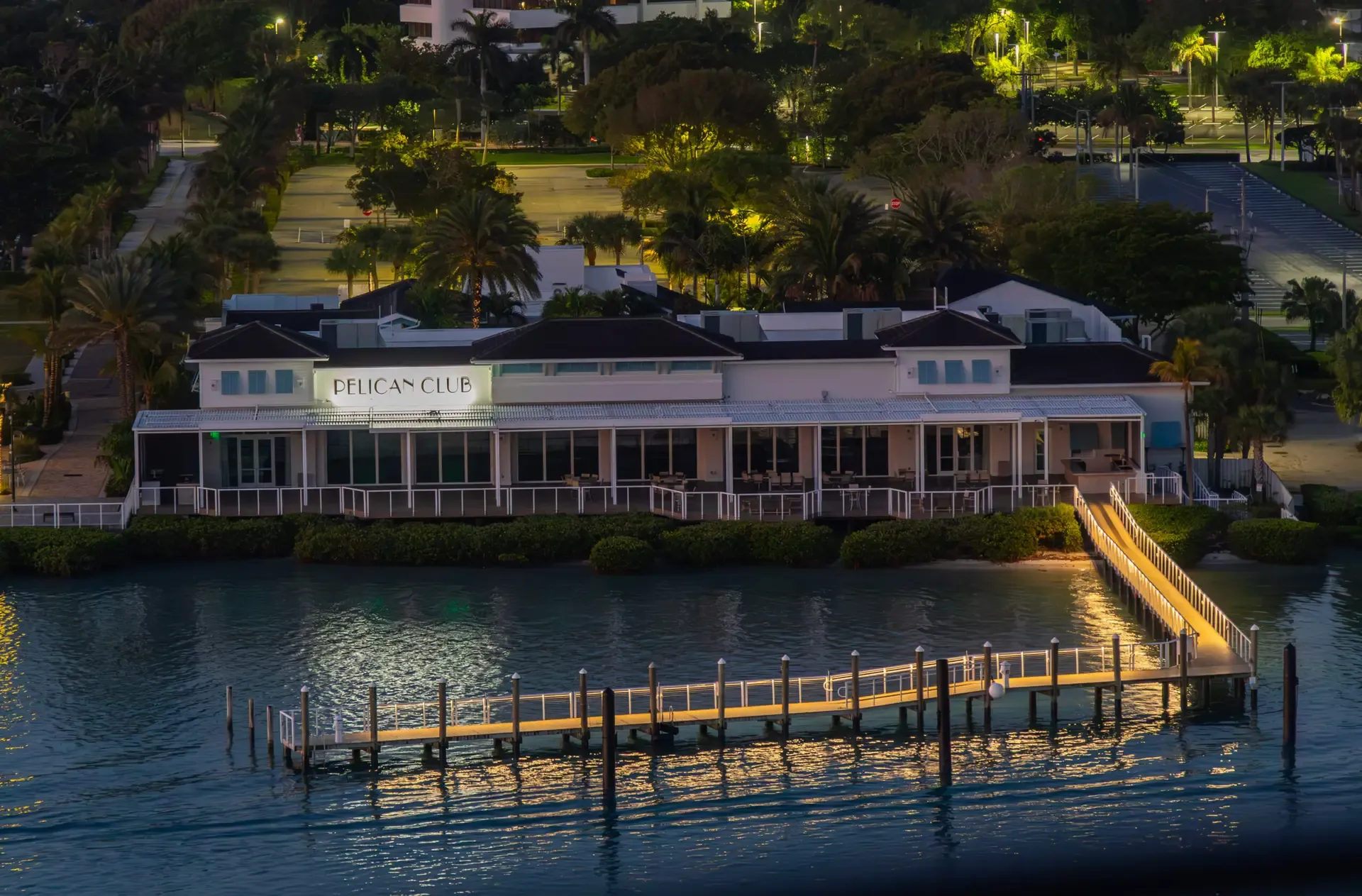
Ask two photographers when to shoot a house and you may get two different answers, because the honest one is: it depends on the house. Which way the front faces, where the windows are, how much tree cover sits over the yard, and the time of year all push the ideal window earlier or later. A west-facing home in Tequesta and an east-facing home three streets over should not be photographed at the same hour, even on the same day.
That’s the part most scheduling advice skips. “Shoot at golden hour” is fine until you’re standing in front of a north-facing facade at sunset wondering why it looks flat and gray. Below is how light actually behaves across a day, how to read a specific home before you book, and the cases where a return trip for twilight earns its keep. The goal is simple: pictures where the house looks like the best version of itself, inside and out.
Why timing changes the photo so much
A camera records light, not houses. Move the sun and you change three things at once: direction, hardness, and color. Direction decides which surfaces are lit and which fall into shadow. Hardness decides how harsh those shadow edges are. Color shifts from cool blue at dawn to neutral at midday to warm gold near sunset.
Two practical consequences follow. First, the front of the house photographs best when the sun is on it or just off to one side, not behind it. A backlit facade turns into a silhouette under a blown-out sky, and no amount of editing fully recovers it. Second, the harder the light, the harder the contrast. Midday sun drops black shadows under eaves, soffits, and porch roofs while baking the roof and driveway bright. The camera can’t hold both ends, so something clips. Softer, lower light spreads the range into something a single frame can actually contain.
So the “right time” is really the right combination of sun position and the home’s orientation, not a clock reading you can copy from one shoot to the next.
Read the house first: orientation is everything
Before locking a time, find out which direction the front of the home faces. A phone compass at the front door takes ten seconds and decides most of the schedule.
- East-facing front: Best in the morning. The sun comes up and over the front, lighting the facade evenly while shadows are still soft. By afternoon the front sits in its own shadow and looks dull.
- West-facing front: Best from late afternoon toward early evening, when the lowering sun rakes warm light across the facade. Mornings leave it shaded.
- South-facing front (very common in Florida): Flexible. It catches light most of the day, so mid-morning or mid-afternoon both work. Avoid solar noon, when overhead sun flattens texture and the entry recess goes dark.
- North-facing front: Trickiest. The face rarely gets direct sun, so it can read flat at any hour. Soft overcast light helps here, or shoot when warm sky light wraps around the home near sunrise or sunset and skip the harsh middle of the day.
Tree cover changes the math. A heavily canopied lot in an older Jupiter neighborhood can throw dappled shade across the facade all day. That softens midday, but it can also drop distracting blotches of bright and dark across the front. Scout for it, and lean toward times when the sun is high enough to clear neighboring rooftops but not so low it filters through every branch.
Golden hour, midday, and the windows in between
Golden hour (roughly the hour after sunrise and the hour before sunset) gives the warmest, softest, most flattering exterior light, with long gentle shadows that add depth to landscaping and architecture. The tradeoff: it’s short, the sun moves fast, and you only get the facades it happens to be hitting. It’s a premium window, not an all-purpose one.
Mid-morning and mid-afternoon are the workhorses. From a couple of hours after sunrise to a couple before sunset, the light is bright enough to make interiors and yards look alive but angled enough to keep shadows manageable. For most full-home shoots, the bulk of the exterior and interior work should land here. It’s also when a property looks its cheeriest, which matters as much as technical perfection.
Solar noon is the one stretch to schedule around when you can. Overhead light flattens facades, darkens covered entries and lanais, and turns pools a harsh, glaring blue. If midday is unavoidable, work the shaded side, shoot interiors then, and save sun-facing exteriors for the edges of the day.
Overcast is underrated. A bright, evenly clouded sky acts like a giant softbox: no harsh shadows, no blown highlights, and a forgiving range that makes any orientation workable. The sky itself goes plain white, so it’s usually worth replacing in editing, but the house underneath often looks better than it would in direct sun.
Interiors run on a different clock
Exteriors chase the sun; interiors mostly want to keep it from punching straight through the glass. The best interior light is bright but indirect, so rooms feel open without hard shafts and hot spots burning across floors and counters.
A few rules that hold up across most homes:
- Shoot a room before or after the sun is directly on its windows, not during. East-facing rooms photograph well later in the morning once the direct beam has passed; west-facing rooms earlier in the day.
- Mind the big glass. Florida homes love walls of sliders onto the pool, lanai, or Intracoastal. You usually want both the room and the view properly exposed, which is far easier when the outside isn’t violently brighter than the inside, so aim for times when exterior brightness is moderate.
- Turn on every light and let it warm the space, then balance color in editing so lamps read inviting rather than orange.
- A water or golf view facing west can be worth timing interiors so that view glows near the end of the day.
In practice, a good single-visit plan stacks these: start with the exteriors the early sun favors, move inside through the brighter middle of the day, and close with the exteriors that want late light. For more on the broader process and what drives a shoot, our real estate photography page lays out how we approach a property.
When twilight is worth a return visit
Twilight photos, the kind where the sky glows deep blue and the house lights up like a lantern, are genuinely powerful. They tend to lead a listing and stop the scroll. But the best ones almost always require a dedicated session, because the usable window is tiny.
The magic happens in roughly the 20 to 30 minutes after the sun drops below the horizon, when ambient sky light and the home’s interior and landscape lighting reach a near balance. Too early and the sky is still bright and the windows look weak. Too late and the sky goes black and the house floats in a void. There’s no rushing it and no second take that evening.
Twilight is worth the extra trip when:
- The home has strong architectural lighting, landscape lighting, or a lit pool that becomes the star after dark.
- It’s a higher-end or distinctive property where one hero image meaningfully shifts how the listing is perceived.
- The front faces the wrong way for a flattering daytime facade, so the best version of the house is genuinely after sunset.
- A west-facing waterfront or sunset view sits behind the home.
It’s usually overkill for a modest, interior-driven listing where a clean daytime set already tells the story. If you’re weighing the spend, we go deeper on the math and payoff in is twilight real estate photography worth it.
Florida and the seasons change the windows
Local conditions matter more than a generic guide admits. In summer, the Palm Beach County afternoon storm pattern is real: skies build through the afternoon and often break in the late day, which can wipe out a planned golden-hour or twilight slot. In that stretch, mornings are the safer bet, both for clear light and for shooting before the humidity haze thickens.
Sun timing drifts seasonally, too. Around the summer solstice, the sun sets well after 8 p.m. here; in midwinter it’s down before 5:30 p.m. That’s the same “late afternoon” appointment producing very different light in June versus January, so plan to the day’s actual sunrise and sunset rather than a fixed clock habit. Humidity also affects clarity: the crispest, cleanest air for distance shots and aerials often comes earlier in the day or just after a front passes through.
If drone coverage is part of the shoot, light direction matters there as well, and the same orientation logic applies from above. The drone photography in Palm Beach County guide covers how we plan aerial timing alongside the ground work.
A simple way to plan any shoot
You don’t need to memorize all of this. Run through five questions and the schedule mostly writes itself:
- Which way does the front face? Sets the prime exterior window (east = morning, west = late day, south = flexible, north = soft light or twilight).
- What’s the marquee feature? A pool, water view, sunset orientation, or signature architecture may pull a slot to a specific time.
- What’s the weather and season doing? Build around clear light and, in summer, favor mornings to dodge storms.
- Are interiors view-heavy? If so, time rooms so the inside and outside can be balanced in one frame.
- Does this home earn a twilight trip? Decide upfront, because it’s a separate visit, not an add-on at the end of the day.
Get those right and the photos do what they’re supposed to: make the home look like the place a buyer wants to walk into.
Every house has its best hour, and finding it is half the job. If you’d like help reading your property’s light and building a shoot around it, get in touch and we’ll plan the timing before we ever pick up a camera.