

Brand Photography vs. Stock Photos: What It Does for a Local Business
Why brand photography out-converts stock for local businesses, where stock quietly costs you, what a brand shoot should cover, and how to reuse the images.
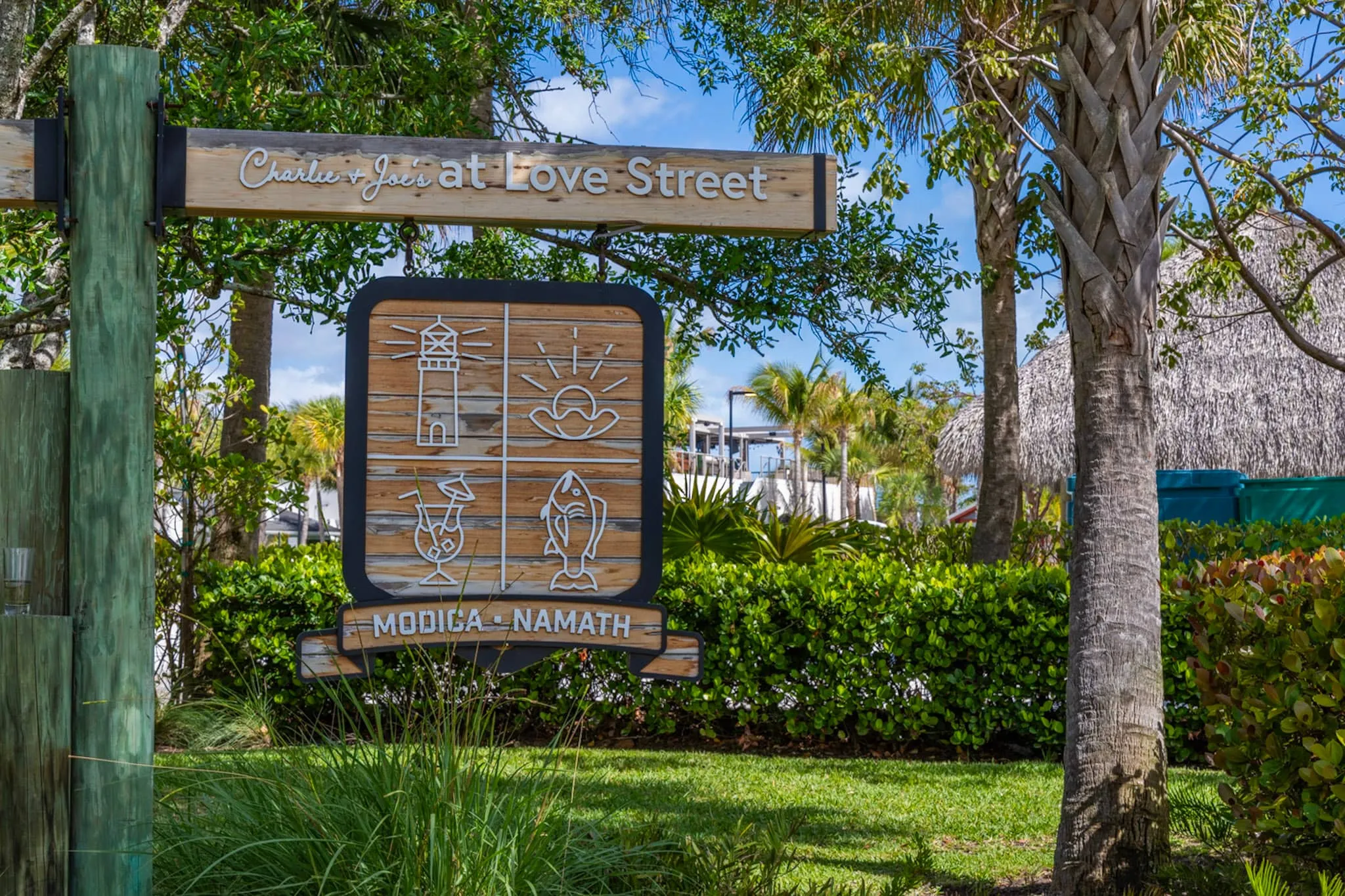
A prospective customer lands on your website, scans it for a few seconds, and decides whether you feel real. In that window, the photos do most of the talking. If the smiling “team” on your homepage is a stock-library family that also shows up on a dentist’s site in Ohio and an insurance broker’s page in Texas, a sharp visitor notices. Even when they can’t name what’s off, something registers as generic, and generic reads as “could be anyone.”
Brand photography is the opposite move: real images of your actual space, your people, your work, and your customers, shot deliberately to do a job. For a local business in Jupiter or anywhere in Palm Beach County, that distinction isn’t cosmetic. It’s the difference between looking like a placeholder and looking like the obvious choice. Here’s what brand photos do that stock can’t, where stock quietly costs you, and how to build a library you’ll actually use everywhere.
What “brand photography” actually means
Brand photography is a planned shoot built around how your business shows up and sells. It’s not one headshot and a logo. A typical session for a local business covers several buckets:
- People: founders, staff, and team-in-action shots. Faces build trust faster than anything else on a page.
- Space: your storefront, studio, kitchen, showroom, or job site, shot to feel inviting and true to scale.
- Product or service in action: the thing you actually do, captured mid-process so a customer can picture themselves in it.
- Details and texture: tools, materials, packaging, a plated dish, a finished install. These fill out social feeds and break up text.
- Customer experience: the moment of service, the handoff, the result, with real customers when possible and consent always.
Stock photography is the inverse: pre-shot, licensed images of models and generic settings, available to anyone who pays the same small fee you did. It has its place for abstract concepts and quick blog filler. It’s the wrong tool for representing who you are.
Why authentic photos out-convert stock
The core reason brand photos convert better is trust. People buy from businesses that feel real, accountable, and local. A few mechanisms make that concrete.
Recognition and relevance. When a Jupiter homeowner sees your actual office near Abacoa, your van in a familiar driveway, or the Intracoastal behind a real shoot, the brain does fast pattern-matching: this is here, this is real, these are the actual people I’d deal with. Stock can’t manufacture that. A model on a generic beach could be anywhere, which means it might as well be nowhere.
The “I’ve seen this before” penalty. Popular stock images get reused constantly, and the failures are well documented. Campaigns across the political spectrum have been caught using stock-photo models to stand in for “real supporters,” and competing brands routinely run the same face without knowing it. Once a viewer recognizes a stock image, your credibility takes a hit, because it signals you took the cheap, fast path on the one thing they’re using to judge you.
Faces and eye contact. Authentic photos of your real team create a sense of accountability. A customer can match the face on the website to the person who answers the phone or shows up at the door. That continuity lowers the perceived risk of buying.
Specificity sells. Stock is engineered to be broadly applicable, which makes it vague. Brand photos can show the exact thing that makes you different: the way you stage a property, the finish quality on a build, the plating at your restaurant. Specific beats generic in almost every comparison that matters.
None of this requires inventing numbers. The pattern is consistent across industries: pages with authentic, relevant imagery tend to hold attention longer and convert better than the same pages dressed in stock. Treat it as a reliable rule of thumb, not a magic multiplier.
Where stock photos quietly cost you
Stock rarely fails loudly. It fails in small leaks that add up.
- Trust erosion. Visitors discount businesses that feel templated, often without realizing it. You don’t get a notification when someone bounces because your site looked like everyone else’s.
- Local mismatch. A snowy office park or a big-city skyline on a Palm Beach County page is a small but real credibility crack. So is a “beach” photo that’s obviously not Florida.
- Sameness with competitors. Industries cluster around the same popular images. It’s common for local competitors to unknowingly run the same hero photo. Nothing undercuts “we’re different” faster.
- Licensing exposure. Free-image sites change terms, model releases expire, and “free” images aren’t always properly cleared. Misusing an image, especially in paid ads, can mean takedowns or legal headaches.
- It doesn’t fit. Stock comes in fixed crops and moods. You end up bending your layout to the photo instead of getting photos built for your layout, your colors, and your message.
The deeper cost is opportunity. Every stock slot is a place you could have shown your real work and didn’t.
When stock is actually fine
Brand photography isn’t an absolutist religion. Stock earns its keep for:
- Abstract or conceptual blog illustrations where no real-world equivalent exists.
- Backgrounds and textures that are clearly decorative, not representational.
- Quick internal documents, slide decks, or placeholders before a shoot.
The rule: use stock for concepts, and brand photos for anything that represents you, your people, your space, or your work. The moment an image implies “this is us,” it should actually be you.
What a brand shoot should cover
Walk into a shoot with a shot list tied to where the images will live. A practical starting list for a local business:
- Hero image for your homepage. Wide, on-brand, with room for a text overlay.
- Team headshots plus a relaxed group shot, with consistent lighting and background so they sit together on an About page.
- Behind-the-scenes / in-action sequence showing your process from start to finish.
- Space and exterior shots, including a clear storefront or signage image for your Google Business Profile.
- Vertical formats for Instagram Stories, Reels covers, and mobile.
- Square crops for feed posts and ad units.
- Detail shots for texture, variety, and filler that still feels intentional.
- “With text in mind” frames that leave deliberate negative space for headlines and CTAs.
If video is on the table, capture it the same day. A short brand video and a batch of clips for social cost far less folded into one production. The same logic applies to aerial coverage, which we fly under an FAA Part 107 certificate as part of a small business shoot — it adds angles of your actual location that stock can’t replicate. For real estate especially, see our take on whether twilight real estate photography is worth it for where the premium frames actually pay off.
A quick prep checklist
- Tidy and stage your space the night before; clutter reads in photos.
- Brief your team on wardrobe: solid colors, on-brand, no busy logos that aren’t yours.
- Pull your brand colors so the photographer can compose with them.
- List your three most important pages and what each one needs.
- Line up any willing customers in advance and handle releases.
How to reuse the library across web, social, and ads
The math on brand photography only works if you stop treating it as a one-time website chore. A single half-day shoot, planned well, should feed your marketing for a year or more.
Website. Hero, About, service pages, and testimonials all get real images. Replace every “this is us” stock slot first, and keep a few high-impact frames in reserve for seasonal refreshes.
Social media. This is where a brand library earns out. One in-action sequence becomes a week of feed posts, a Reel, and several Stories. Detail shots become quick fillers between bigger posts. Because everything shares lighting and style, your grid looks cohesive instead of scavenged. If the hurdle is building a steady posting habit, our post on social media content for local businesses lays out a repeatable system.
Google Business Profile. Upload real exterior, interior, team, and product photos. Profiles with authentic, current images tend to draw more engagement than those leaning on stock or nothing at all, and it’s free real estate you already paid to shoot.
Paid ads. Real photos tend to outperform stock in local ad creative because they look native, not like an ad. Shoot a few extra vertical and square variants on purpose so you have ad-ready options without awkward re-cropping.
Email, decks, proposals, print. The same library covers newsletters, sales decks, signage, and one-sheets. Consistency across every touchpoint is what makes a small business feel established.
A simple way to maximize reuse: at booking, name the destinations (homepage hero, three feed posts, a Reel cover, GBP, one ad set) and shoot to fill each. You’ll come away with assets mapped to real slots rather than a folder of nice pictures you’re not sure what to do with.
Making the investment pay
Treat brand photography like infrastructure, not a luxury. The cost is front-loaded, but the asset is durable: a well-shot library typically stays useful for a year or two before it needs a refresh, and you can stretch it further by capturing seasonal variations in one go. Compare that to the slow, invisible drain of stock that makes you look like everyone else on every channel, every day.
Start with the pages and posts that touch the most prospective customers, then expand. You don’t need 500 images on day one. You need the right 40 to 60, shot for the places they’ll actually live, that look unmistakably like your business and your corner of Palm Beach County.
If you’re weighing a first brand shoot or refreshing a tired one, we’d be glad to help you plan a shot list mapped to your real marketing needs. Get in touch and we’ll talk through what your business should photograph, and where those images will work hardest.