

How to Choose a Real Estate Photographer: 10 Questions to Ask
A practical 10-question checklist for vetting a real estate photographer in Jupiter and Palm Beach County, plus what a strong answer actually sounds like.
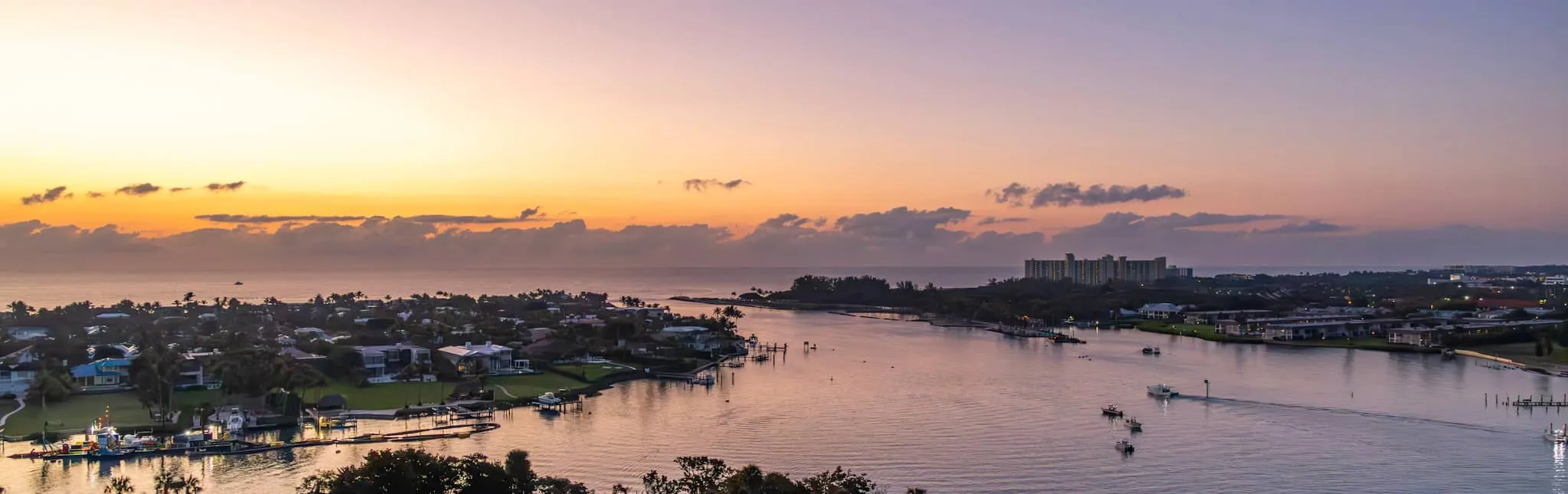
Hiring a real estate photographer feels simple until you realize how much rides on it. The photos are the first showing every buyer attends, weeks before anyone walks through the door. They shape the asking-price expectation, the click-through rate on the listing, and how quickly your agent’s phone rings. A strong shoot can make a $700K Abacoa townhome read like it belongs at the top of its range; a weak one can make a genuinely beautiful Jupiter Island property scroll right past.
The hard part is that almost anyone with a decent camera now calls themselves a real estate photographer, and their websites all look roughly the same. You can’t tell them apart from a gear list or a homepage gallery, because anyone can post their three best frames. You tell them apart by how they answer specific, slightly uncomfortable questions about how they actually run a job. Below are the ten that matter most, and what a strong answer sounds like versus a vague one you should walk away from.
1. What’s your turnaround time, and is it guaranteed?
In Palm Beach County’s market, listings often need to hit the MLS within a day or two of the shoot, especially when a property is going live before a weekend. Ask for a specific number, not a feeling.
A good answer sounds like: “Standard is next business day by noon, and I offer same-day rush for an added fee if you book it ahead.” A weak answer is “usually pretty fast” or “within a week.” Anything past 48 hours for standard photo delivery is slow by current standards, and a photographer who won’t commit to a time in writing is quietly telling you that delays are normal for them. Ask what happens if they miss the deadline, too. Someone confident in their workflow will have a clear answer instead of changing the subject.
2. Are you FAA Part 107 certified for drone work?
This is non-negotiable, and it’s the easiest place to spot a corner-cutter. Any drone photography of a property you’re selling is commercial use, which legally requires the pilot to hold an FAA Part 107 Remote Pilot Certificate. “I just fly recreationally” does not cover a paid listing shoot.
Ask for the certificate number, not just a yes. A licensed pilot will give it without hesitation. This matters more in our area because of the airspace around Palm Beach International and the North Palm Beach County General Aviation Airport (F45) near Jupiter and Palm Beach Gardens, much of which is controlled airspace that requires authorization to fly in. A certified pilot knows how to check the FAA’s airspace map and pull a LAANC authorization in seconds when one is needed. An uncertified one is gambling with your listing and your liability. If you want the full picture on what’s legal, our guide to drone photography laws for Florida businesses breaks it down.
3. Can I see a full gallery from a recent shoot, not just highlights?
Anyone can curate ten perfect frames. What you want is a complete delivery from a single property: typically 25 to 40 images of an actual home, ideally one in a similar price range and style to yours.
Spend your attention on the bedrooms and bathrooms, the rooms photographers can’t hide behind a sunset. Are the verticals straight, or do the walls lean? Are the windows exposed so you can see the view outside, instead of a blown-out white rectangle where the Intracoastal should be? Is the color consistent room to room, or does the kitchen look warm and the living room look blue? A clean, consistent full gallery tells you far more than a flashy reel, and a confident photographer will send one without flinching.
4. What’s your editing style, and can I see before-and-afters?
Editing is where real estate photography is won or lost, and styles vary more than people expect. Some photographers lean on heavy HDR that makes everything look saturated and slightly cartoonish. Others shoot flambient, a blend of flash and ambient light, for a cleaner, truer-to-life result that tends to photograph well for coastal and luxury homes where buyers expect a calm, accurate look.
There’s no single right style, but there is a right one for your property and your brand. Ask to see a before-and-after so you understand how much they’re enhancing. Good editing fixes lens distortion, balances exposure, and recovers the view through the windows. It does not add a pool that isn’t there, drop a fake blue sky onto every exterior, or erase permanent features. Over-editing creates a gap between the photos and the in-person showing, and that gap deflates buyers the moment they pull into the driveway.
5. What exactly is included in the deliverables?
“I’ll send you the photos” leaves too much undefined. Get specifics on five things:
- Number of final images — and whether that’s a fixed count or scales with square footage.
- Resolution — you want full-res files for print and web-optimized versions for the MLS, which enforces file-size limits.
- Licensing — confirm you can use the images freely across MLS, Zillow, social, and print for the life of the listing.
- File format and delivery — a downloadable online gallery is standard; emailed ZIPs are clunky and often bounce.
- Branding — make sure images aren’t watermarked or locked behind a pay-to-download wall.
A clear deliverables list signals someone who has done this hundreds of times. Vagueness here usually shows up later as a surprise line on the invoice or a file you can’t actually use.
6. What add-ons do you offer, and do I actually need them?
The strongest photographers will tell you when you don’t need an upsell, which is itself a good sign. Still, it helps to know the menu so you can match it to the property:
- Drone/aerial — close to essential for waterfront, acreage, golf-course, and Intracoastal properties where location is the selling point.
- Twilight photos — the single highest-impact add-on for many homes. If you’re weighing it, we covered exactly when twilight photography is worth it.
- Video walkthroughs and vertical social clips — increasingly expected on higher-end Jupiter and Palm Beach Gardens listings.
- 3D tours (Matterport) — genuinely useful for relocation and luxury buyers shopping from out of state.
- Floor plans — buyers tend to engage longer with listings that include one.
- Virtual staging — for vacant homes, a fraction of the cost of physical staging.
You don’t need everything. A good photographer helps you spend on what actually matters for this specific listing, and talks you out of the rest.
7. What’s your reshoot and revision policy?
Things go wrong. The pool guy left equipment in the frame, a room got staged the day after the shoot, or the light was flat on a gray afternoon. Ask up front what happens then.
Reasonable policies cover minor edits and revisions at no charge within a set window, often about a week after delivery. Full reshoots are trickier, because they cost the photographer a half-day of work, so expect a fair partial fee unless the error was clearly on their end. What you’re really listening for is whether they treat problems as a normal part of the job with a process attached, or get defensive. The defensiveness is the red flag, not the existence of a fee.
8. What do you need from me on shoot day?
A photographer who has done this a hundred times has a short, specific list, and giving it to you unprompted is a good sign. Expect: who is meeting them and how they get in, whether pets need to be out, which lights should be on, what time the sun is right for the front elevation, and how long they need the house empty.
The answer also tells you how a gated or HOA-managed property will go. Some communities in our area require notice before a shoot, particularly for anything flown. Someone who asks about that before you have to raise it has been turned away at a gate before and has learned to ask.
9. How does scheduling work, and how far out are you booked?
Logistics quietly determine whether a listing launches on time. Ask how booking works, how much lead time they need, and how flexible they are when a closing date or staging schedule shifts at the last minute.
Then ask about light. The best exterior light in Florida is usually mid-morning or late afternoon, and a thoughtful photographer plans the shoot around the sun’s position relative to how the home faces. A waterfront property facing east photographs best in the morning; a west-facing one comes alive at sunset. A photographer willing to shoot any house at any hour without a thought to the light is telling you something about their standards. During season, the good ones book up, so plan a week or more ahead whenever you can.
10. How is your pricing structured, and what could change it?
You want a straight answer, not a “let’s get on a call” runaround. Pricing in this market is commonly tiered by square footage, with add-ons like drone, twilight, and video priced separately and clearly. That’s healthy. What you’re watching for is transparency: a published or readily quoted rate, a plain explanation of what bumps the price (large homes, multiple structures, rush turnaround, travel out to Jupiter Island or farther north), and no vague surcharges that materialize on the final invoice.
Resist the urge to default to the cheapest bid. Real estate photography is one of the higher-ROI dollars a seller spends, and the difference between a $150 shoot and a $400 shoot is usually visible in the very first frame. For a fuller sense of local rates and what drives them, see our breakdown of real estate photography costs in Jupiter for 2026. The right question isn’t “who’s cheapest.” It’s “who delivers photos that help this home sell for more, and faster.”
Putting the questions to work
You don’t need to grill every photographer through all ten. In practice, three answers separate the pros from the rest fast: a specific, guaranteed turnaround; a Part 107 certificate number offered without hesitation; and a full recent gallery they’re proud to share. Someone who clears those three has almost always got the rest handled. Someone who stumbles on them will likely stumble on your listing.
Spend ten minutes on these questions before you book and you’ll dodge the far more expensive problem of relisting with new photos three weeks in, after the launch momentum is already gone. Good listing images aren’t a commodity. They’re a pricing and marketing decision, and they deserve a real vetting process.
If you’re preparing a Jupiter or Palm Beach County listing and want photos, drone, and twilight handled by a Part 107 certified studio that answers all ten of these clearly, get in touch and we’ll walk you through exactly what your property needs.